





Law

Law

Rideshare Accident Cases in Pensacola and Passenger Injury Compensation

Rideshare trips feel routine until a sudden collision turns an ordinary ride into a maze of medical bills, missed work, and insurance confusion. Passengers and drivers alike often discover that app-based policies operate on shifting rules tied to the driver’s status, and that liability can touch multiple parties at once. This article gives you a clear path through those issues, explaining how claims unfold, which coverages apply, and what evidence matters most. With decades of combined trial experience, Michles & Booth has seen how a well-documented claim and timely advocacy change outcomes for seriously injured people. You will learn how state rules intersect with platform policies, why insurance coverage gaps can stall recovery, and how an attorney pushes the case forward when insurers point fingers. If you need practical guidance beyond the basics, the insights below mirror how seasoned Pensacola Rideshare Accident Lawyers build leverage from day one.

Common Scenarios Leading to Rideshare Accidents in Pensacola

From downtown nightlife to crowded beach corridors, rideshare demand surges in places where traffic patterns are fluid and distractions run high. Many collisions stem from sudden lane changes to meet or drop a rider, hurried U-turns near hotel entrances, or split-second decisions at flashing crosswalks. Nighttime visibility, road construction, and unfamiliar routes compound those risks, especially when drivers rely heavily on turn-by-turn prompts. Passengers may also be injured in low-speed incidents—abrupt braking, dooring in bike lanes, or parking-lot maneuvers—where injuries can be real even if vehicle damage appears minor. In each scenario, the platform’s status timeline matters because it determines which insurance policies might respond first.

How local traffic patterns set the stage

Pensacola’s mix of tourists, students, and service workers creates peak hours where rideshare volume and congestion collide. Stadium events, festivals, and weekend bar traffic spike pickups at curbside zones, leading to chaotic merges and hard stops. Distracted driving—glancing between the app and the road—remains a recurring factor, especially when drivers chase back-to-back requests. For passengers, seat belt use and proper entry or exit on the sidewalk side reduce risk, but not every hazard is under their control. When injuries occur, Pensacola Rideshare Accident Lawyers evaluate the who, where, and when of the trip to put fault and coverage in sharper focus.

Understanding Uber and Lyft Insurance Coverage Gaps

Rideshare coverage in Florida typically hinges on three phases: app off, app on waiting for a request, and en route or transporting a passenger. When the app is off, the driver’s personal auto policy is primary, and many personal policies contain exclusions for commercial use. When the app is on and the driver is waiting, contingent liability coverage often applies, with limits set by Florida law, while comprehensive benefits like medical payments may not be included. Once a trip is accepted or a passenger is onboard, third-party liability coverage increases substantially, but questions remain about uninsured/underinsured motorist options and how they interact with your own policy. Florida’s no-fault system can also mean personal injury protection benefits come first, depending on your coverage.

When policy fine print changes everything

Coverage “hand-offs” can create insurance coverage gaps when claims fall between personal and platform policies or when exclusions are buried in endorsements. Some rideshare insurers provide robust third-party limits while offering narrow or optional uninsured motorist protections that vary by jurisdiction. Passengers often rely on their own medical coverage and PIP first, then seek recovery from at-fault parties or applicable rideshare policies. Timing is critical: documenting the driver’s app status, the exact pickup or drop-off stage, and communications within the app can determine whose carrier pays. Pensacola Rideshare Accident Lawyers routinely request telematics, trip logs, and dispatch data to lock down those details before memories fade.

Passenger Rights and Responsibilities After an App-Based Crash

As a passenger, you have the right to pursue compensation for medical expenses, wage loss, and pain and suffering when a driver—rideshare or otherwise—acts negligently. You are also entitled to clear claim handling, including contact information for all involved insurers and a copy of the police report once available. At the same time, you share responsibilities that protect your claim: seek prompt medical care, follow treatment plans, and preserve evidence such as photos, receipts, and correspondence. Avoid speculating about fault at the scene, and do not give recorded statements before you understand which insurer represents which party. Doing these basics well prevents avoidable disputes about causation, extent of injury, or contributory negligence.

Immediate steps to protect your claim

Start with medical treatment first, then capture simple but powerful evidence: scene photos, vehicle positions, driver information, app screenshots, and names of witnesses. Save ride details in the app, including time stamps and route maps, which help reconstruct how the crash unfolded. Report the incident both to law enforcement and through the platform, but keep your description factual and brief. If you lack health insurance or your PIP is limited, coordinate care through providers who understand third-party billing and liens common in injury cases. Pensacola Rideshare Accident Lawyers can also send spoliation notices to preserve dashcam footage, trip data, and driver communications that might otherwise vanish.

How Attorneys Navigate Multi-Party Rideshare Liability Disputes

Multi-vehicle rideshare crashes often involve parallel claims against the rideshare driver, another motorist, and sometimes a property owner or municipality. Each potential defendant has a different insurer, policy limit, and narrative about fault, which can stall recovery without a strategic plan. Attorneys begin by securing the digital trail—trip acceptance times, GPS breadcrumbs, in-app messages, and telematics that reveal speed and braking. They pair those records with physical evidence from the scene, medical documentation, and expert analysis to tell a coherent, defensible story about causation. When the case demands it, reconstruction specialists and human factors experts help translate data into compelling, jury-ready visuals.

Tools and tactics that move negotiations

Negotiations turn on leverage, and leverage comes from airtight facts and early pressure on every liable carrier. Lawyers issue targeted discovery, coordinate independent medical evaluations where appropriate, and challenge improper exclusions or misapplied offsets. Coordinating policy layers—personal auto, rideshare liability, and potential excess coverage—requires meticulous timing to avoid coverage bottlenecks. Pensacola Rideshare Accident Lawyers also navigate arbitration provisions and forum selection clauses that can change the venue or the rules of the dispute. Firms like Michles & Booth use phased demand strategies, presenting medical and economic losses in increments that make lowball offers untenable.

Recent Rulings Shaping Rideshare Compensation in Florida

Florida courts continue to refine how app-based transportation fits within traditional negligence and insurance frameworks. Arbitration clauses in user agreements have frequently been enforced, yet courts scrutinize assent and notice—particularly for minors, non-English speakers, or users who never saw the terms. The state’s dangerous instrumentality doctrine generally imposes vicarious liability on vehicle owners, but rideshare platforms typically do not own the cars, pushing plaintiffs to focus on negligent hiring, retention, or supervision theories. Decisions addressing data preservation underscore that app logs, driver histories, and telematics are discoverable when relevant and must be safeguarded once a claim is anticipated. Recent opinions also highlight how evidence of the driver’s “active app phase” can tip the scales on which policy must respond first.

Why these developments matter at settlement and trial

These rulings change the playbook for both proving fault and unlocking insurance funds. Plaintiffs who rapidly secure platform data and demonstrate the driver’s exact trip status often avoid months of finger-pointing between carriers. Defense arguments about independent contractor status still limit some vicarious theories, but they do not block claims grounded in direct negligence or statutory compliance failures. For injured passengers, understanding how arbitration, app status, and discoverable data interlock leads to sharper, better-timed demands. When stakes are high, Pensacola Rideshare Accident Lawyers who monitor appellate trends—and who coordinate discovery with technical experts—put clients in position to recover fully, a priority that aligns with the results-focused approach at Michles & Booth.


read more
Law

Building Trusted Legal Relationships: Spotlight on Attorney Ian W. Gee

Trusted legal relationships aren’t built overnight. They come from clear communication, disciplined execution, and a client-first mindset that never wavers, especially in high‑stakes estate and trust matters. Attorney Ian W. Gee exemplifies this standard. Clients searching for “Ian W Gee Attorney” often remark on his blend of technical precision and human clarity, the kind of approach that doesn’t just deliver documents, but peace of mind. It’s a philosophy designed to exceed legal expectations, quite literally to “Exceed Legal”, by pairing modern tools with time‑tested judgment so families and business owners feel protected today and prepared for tomorrow.

Ian W. Gee’s approach to transparent client collaboration

Transparency is the throughline of Ian W. Gee’s practice. From the first consultation, he lays out a practical roadmap: what decisions are needed, who’s responsible for each step, and when key milestones will land. Instead of burying clients in legalese, he favors plain‑English summaries that translate complex concepts, trust funding, generation‑skipping tax exposure, fiduciary duties, into crisp action items.

Clarity in scope and fees

He starts matters with a detailed scope, estimated timelines, and fee structures that minimize surprises. Where flat fees fit, he uses them. Where hourly billing is more appropriate (for unique or evolving issues), he explains why, how time is tracked, and what triggers a scope revision. That kind of upfront clarity reduces anxiety and keeps the focus on outcomes, not invoices.

Collaborative decision-making

Estate planning and trust administration rarely follow a straight line. Family dynamics shift, asset values move, and regulatory guidance evolves. Gee structures decisions as “if/then” pathways with documented pros and cons, so clients can choose a strategy with eyes wide open. He encourages adding existing advisors, CPAs, financial planners, family office leads, to the conversation, not as an afterthought but as co‑architects. The result is a plan that fits the client’s real life, not a template.

Predictable communication

Clients don’t want silence: they want cadence. Gee establishes an update rhythm tailored to the matter’s intensity, weekly during active funding or litigation-adjacent issues, monthly for routine estate maintenance. Status summaries highlight what’s completed, what’s next, and what’s needed from the client. It’s a small operational habit with outsized impact on trust.

The outcome is a collaboration model that feels both professional and human, detailed enough for accountability, flexible enough for real life.

Modernizing estate and trust management with cloud-based systems

Clients expect their legal team to be where they are: on secure devices, across time zones, available without friction. Ian W. Gee integrates cloud-based systems to make the estate and trust lifecycle more visible, less error‑prone, and faster to execute.

Secure client portals

Rather than chasing email threads, clients receive access to a secure portal with two‑factor authentication. There, they can review drafts, track signature status, and see a real‑time checklist for funding accounts, retitling assets, or recording deeds. Permissions are granular: beneficiaries see what they should, fiduciaries see more, and sensitive tax or medical information is ring‑fenced.

E‑signatures and workflow automation

By using reputable e‑signature platforms and automated task flows, Gee compresses weeks of back‑and‑forth into days. Conditional tasks, like verifying trust ownership post‑transfer or scheduling a homestead filing after a deed, trigger automatically. Reminders nudge the right person at the right time, reducing bottlenecks that commonly delay probate or trust funding.

Document integrity and continuity

Version control, audit trails, and encrypted archives aren’t just conveniences: they’re risk controls. Gee’s systems maintain a clean chain of custody for drafts and executed documents, with clear “single source of truth” storage to prevent outdated forms from circulating. That discipline pays off during audits, disputes, or transitions between trustees.

Privacy by design

Client confidentiality is non‑negotiable. Gee relies on providers with robust encryption standards, strict access logging, and data residency options. He aligns tooling with ethical obligations and governance policies, so the tech never outruns the duty to protect client data.

The net effect: technology that removes friction and error, without ever replacing judgment.

Coordinating multi-attorney teams for complex asset portfolios

Sophisticated estates rarely fit neatly inside one practice area. Concentrated stock positions, private business interests, international real estate, digital assets, special‑needs planning, each adds a layer of complexity. Ian W. Gee is deliberate about team architecture so clients get depth without duplication.

Right roles, right moments

He identifies matter phases, valuation, governance, tax strategy, implementation, and ongoing administration, and matches them with the right legal and advisory skill sets. Corporate lawyers might document shareholder agreements for a family business transfer: tax specialists model the annual exclusion and lifetime exemption impacts: trust litigators weigh in when fiduciary exposure lurks in the background. This “modular” approach avoids over‑lawyering while ensuring nothing falls through the cracks.

Clear leadership and escalation

Multi‑attorney projects work when there’s a quarterback. Gee assumes that role or designates one, setting decision thresholds and escalation paths. If a proposed strategy risks unintended tax recognition or beneficiary disputes, the team knows exactly who has the pen, who must sign off, and how quickly issues must surface.

Tooling for coordination

Shared matter-management platforms, structured agendas, and disciplined minutes keep everyone aligned. Deliverables sit in centralized folders with naming conventions (e.g., 2025‑03‑15_TrustA_Amendment_v4_Exec) that make audits painless. Status cadences, 15‑minute standups during intense windows, monthly steering calls otherwise, preserve momentum without meeting bloat.

Harmonizing with outside advisors

Most clients already have trusted pros. Gee’s philosophy is to amplify, not replace, them. He integrates investment policy statements, wealth transfer goals, and trustee distribution standards so the legal structure supports, rather than constrains, the client’s broader plan. When cross‑border assets or expatriate issues enter the picture, he coordinates with local counsel to align filings, notarization formalities, and conflict‑of‑law considerations.

Clients see the benefits: fewer surprises, tighter timelines, and structures that stand up under stress.

Emphasizing accessibility and education in client consultations

Accessible counsel isn’t about being on call 24/7: it’s about making the complex understandable and the process navigable. Ian W. Gee prioritizes education as a service, because informed clients make better, faster decisions, and they sleep better, too.

Plain‑English explanations, visual aids

He turns abstractions into something tangible. Flowcharts explain what happens to assets under a will versus a revocable trust. Side‑by‑side tables compare lifetime gifts to testamentary bequests, highlighting control, tax, and privacy trade‑offs. Short, recorded walkthroughs (think 5–8 minutes) let clients revisit key points without scheduling another meeting.

Office hours and response SLAs

Gee offers structured “office hours” for quick questions and sets clear response time expectations for emails and portal messages. Clients know when they’ll hear back and what counts as urgent, which removes the guesswork and frustration that often erode trust.

Actionable takeaways

Each meeting ends with a concise list: what was decided, what remains open, who owns each task, and the next target date. He provides checklists for beneficiary updates, asset titling, and trustee onboarding to bridge the gap between plan and execution.

Inclusive communication

Estate planning involves many stakeholders, spouses, adult children, co‑trustees, business partners. Gee is careful about who should be in the room (or on the call), how to protect privilege, and when to hold separate briefings to reduce friction. When needed, he coordinates with interpreters or uses translated summaries for non‑native English speakers, ensuring everyone understands their role.

This emphasis on accessibility does more than inform: it builds confidence. Clients feel seen, prepared, and respected.

read more
Law

Handling Casino Accident Claims in Spring Valley: Legal Insights for 2025

Spring Valley Casino Accidents don’t feel like ordinary slip-and-fall claims. They happen inside sprawling resorts with multiple entities, dense surveillance networks, union contractors, and insurers who negotiate every inch of value. In 2025, the legal landscape around casino accident claims in Spring Valley, Nevada is evolving, especially with upgraded video tech and fresh premises-liability rulings. This guide breaks down how liability works, what evidence matters, and how injured guests can pursue full compensation with confidence.

The unique liability framework governing casino guest injuries

Casinos in Spring Valley operate as sophisticated hospitality enterprises. On paper, they’re premises-liability cases: in practice, they’re closer to mini-cities with moving parts that can complicate fault.

  • Duty of care to invitees: Nevada law treats casino patrons as invitees. Property owners owe a duty to use reasonable care to keep the premises in a reasonably safe condition, including inspecting for hazards and fixing or warning about them within a reasonable time.
  • Notice and response: To prove negligence, an injured guest typically must show the casino created the hazard, knew about it, or should have known through reasonable inspections. In busy casino environments, buffets, beverage stations, pool decks, reasonable inspection protocols and cleaning logs often become key evidence.
  • Open and obvious hazards: In Nevada, an “open and obvious” condition does not automatically eliminate the property owner’s duty. The Nevada Supreme Court has clarified that obviousness may affect breach and comparative negligence, but it’s not a complete defense. That nuance matters when insurers try to downplay liability for visible hazards like raised thresholds or wet floors.
  • Comparative negligence: Nevada follows modified comparative negligence with a 50% bar. If the guest is found 50% or more at fault, they recover nothing: otherwise, their award is reduced by their share of fault. Expect insurers to argue distraction (phone use), footwear choices, or intoxication to push fault upward.
  • Statute of limitations: In most Nevada personal injury cases, the statute of limitations is two years from the date of injury. There are exceptions, but waiting risks losing claims and evidence, particularly video footage that may be overwritten on standard retention cycles.

In short, the framework is familiar, but casinos’ scale, plus their layered contractors and security protocols, makes early investigation vital in Spring Valley Casino Accidents.

How 2025 surveillance-technology upgrades strengthen evidence chains

If there’s one development reshaping casino accident claims in 2025, it’s surveillance. Greater coverage, higher resolution, and smarter indexing reduce the “we can’t find the footage” problem and clarify what happened, minute by minute.

What’s changed:

  • 4K and wide dynamic range cameras. Low-light casino floors and parking structures now yield clearer footage of spills, debris, elevator doors, or escalator behavior.
  • Multi-sensor and panoramic views. Fewer blind spots around entrances, cashier cages, food courts, and pit areas where traffic is heavy and hazards can appear quickly.
  • AI-assisted search. Many properties use analytics to flag incidents, track cleaning-cart routes, and tag timestamps when staff place wet-floor signs. For claimants, that can corroborate inspection intervals, or reveal gaps.
  • Body-worn cameras and access logs. Security and facilities teams increasingly wear cameras, while keycard-access and building automation logs show maintenance responses and elevator resets.

Why it matters legally:

  • Establishing notice. Video can reveal how long a spill existed before a fall. Ten minutes versus forty-five minutes can make or break negligence.
  • Chain of custody. Modern systems log who accessed or exported footage and when, bolstering authenticity for litigation.
  • Spoliation leverage. When a timely preservation letter is sent, deletion or overwriting of relevant footage may lead to sanctions or adverse inferences. That prospect encourages better cooperation from risk management.

For Spring Valley Casino Accidents, counsel now routinely demands multi-angle footage, surrounding minutes before and after the incident, cleaning logs, and maintenance tickets tied to the exact location. Speed matters: many systems still overwrite within 7–30 days unless preserved.

Proving negligence amid complex resort-ownership structures

Casinos often involve parent companies, property managers, operating subsidiaries, third‑party vendors, and independent contractors. Identifying the right defendants, and their insurance, is half the battle.

Common layers to untangle:

  • Property owner vs. operator. The entity on the deed isn’t always the one running daily operations. Contracts may split maintenance duties from security oversight.
  • In-house teams vs. contractors. Escalator servicing, elevator inspections, housekeeping, and restaurant operations may be outsourced, which influences who had control over the hazard.
  • Event promoters and tenants. Nightclubs, shows, and branded restaurants often carry their own liability coverage and may share responsibility for floor conditions or crowd management.

How attorneys build the case:

  • Request for contracts and SOWs. Service agreements reveal inspection schedules, hazard reporting protocols, and indemnity clauses.
  • Org charts and risk-management contacts. Early identification streamlines notice and preserves evidence across entities.
  • Incident report ecosystems. Casinos maintain detailed internal reports, radio traffic logs, and dispatch notes. Consistency between these and medical charting helps validate timelines.

Negligence theories that often apply:

  • Failure to inspect or warn within reasonable intervals given foreseeable risks (e.g., drink stations, pool decks).
  • Negligent maintenance or repair of elevators, escalators, doors, or flooring.
  • Negligent security or crowd control in foreseeable high-traffic or entertainment zones.

Because defense teams may argue “wrong party” or point to contractors, claimants benefit from counsel comfortable with corporate structures, common in Spring Valley’s resort corridor.

Compensation for slip, trip, and elevator incidents inside casinos

Not all injuries carry the same proof challenges, but the damages categories are similar across incidents. In Spring Valley Casino Accidents, typical scenarios include wet floors near bars, uneven transitions between casino carpet and tile, escalator missteps, and elevator door strikes or level‑mismatch events.

Common compensable damages:

  • Medical expenses: ER visits, diagnostics (X‑rays, MRI), specialist care, surgery, physical therapy, prescriptions, and future care projections.
  • Lost income: Missed work, reduced hours, loss of earning capacity if injuries limit job duties.
  • Pain and suffering: Physical pain, sleep disruption, limitations in hobbies or caregiving.
  • Out‑of‑pocket costs: Transportation to appointments, medical devices, home modifications.
  • In some cases, punitive damages: Reserved for egregious conduct, such as willful disregard of known hazards, rare, but possible.

Injury specifics:

  • Slips and trips: Objective findings (swelling, bruising) documented promptly help. Photographs of the hazard, footwear, and surrounding signage matter. Witness statements are especially persuasive.
  • Elevator incidents: Evidence can include maintenance records, elevator car logs, entrapment data, service tickets, and inspection certificates. Leveling issues or door re‑open failures often leave digital breadcrumbs.
  • Escalators: Step demarcation, skirt brush conditions, and emergency-stop functionality are focal points. Surveillance helps show footwear entanglement versus mechanical fault.

Practical steps for guests:

  • Report immediately and ask for an incident number.
  • Photograph or video the exact area, including any warning cones or lack thereof.
  • Request that surveillance be preserved: name the closest camera if possible.
  • Seek medical care quickly and follow through with treatment. Gaps in care invite disputes.

Valuation depends on liability strength, medical documentation, and venue policies. Thorough evidence collection can turn a disputed claim into a fair settlement.

Negotiating with large hospitality insurers for fair settlements

Casinos and resort operators often use national carriers or third‑party administrators (TPAs) who handle claims with playbooks geared to minimize payouts. Effective negotiation blends precision with pressure.

What moves the needle:

  • A tight liability narrative. Lead with notice (actual or constructive), inspection gaps, and policy deviations. Timelines anchored by surveillance and cleaning logs increase leverage.
  • Medical clarity. Organize records, radiology, and provider opinions. Translate complex care into a concise arc: mechanism of injury, diagnosis, treatment, prognosis, and future needs.
  • Economic anchors. Wage loss calculations, CPT-coded medical billing summaries, and life‑care estimates for serious injuries present a defensible number.
  • Comparable verdicts and settlements. Local outcomes in Clark County matter to risk managers: they reflect jury expectations.

Tactics seen in 2025:

  • Early low offers citing “minimal treatment” or “preexisting conditions.” Counter with baseline comparisons and treating-physician causation statements.
  • Overreliance on “open and obvious.” Nevada law doesn’t erase duty for visible hazards, highlight that precedent.
  • Delay via “awaiting internal review.” Set reasonable deadlines and be prepared to file if good‑faith progress stalls.

Settlement windows:

  • Pre‑litigation. Strong surveillance, clear liability, and organized specials can resolve claims before filing.
  • Post‑filing, pre‑deposition. Once discovery deadlines loom, especially for video production and maintenance records, serious negotiations often begin.

Working with local counsel familiar with Spring Valley properties and carriers shortens the learning curve. Regional firms such as those found at https://cameronlawlv.com/ can help injured guests navigate insurer tactics without turning the process into a second full‑time job.

read more
Law

Industrial Equipment Safety: Protecting Workers and Maximizing Efficiency

Industrial equipment is the backbone of many workplaces. From construction sites to manufacturing plants, machines help businesses get the job done faster and more effectively. But with heavy equipment comes risk. Without proper safety measures, workers can face serious injuries, and businesses can suffer costly delays. Focusing on equipment safety not only protects employees but also helps improve efficiency.

Training and Education

One of the most important parts of equipment safety is proper training. Workers need to understand how to use machines correctly and how to recognize potential hazards. Regular training sessions keep employees updated on safety practices and ensure everyone is on the same page.

Routine Inspections and Maintenance

Machines that are not maintained properly can break down or malfunction, putting workers at risk. Routine inspections and scheduled maintenance help catch small issues before they become dangerous problems. This also reduces downtime and keeps production running smoothly.

Using the Right Equipment

Every job requires the right tools. Using equipment that isn’t designed for the task can increase the chance of accidents. Making sure workers have access to the proper machines and protective gear is key to keeping everyone safe.

Safety Features and Technology

Modern equipment often comes with built-in safety features like emergency shut-off switches, guards, and sensors. Businesses should make sure these features are always in place and working. Taking advantage of safety technology can help prevent accidents and reduce human error.

A Culture of Safety

Safety is not just about rules — it’s about mindset. When workers feel encouraged to speak up about unsafe conditions and managers take action quickly, the whole workplace becomes safer. A strong safety culture reduces risks and helps workers feel valued.

Boosting Efficiency

Safe equipment also means better efficiency. When machines are well-maintained and workers are properly trained, jobs are completed faster and with fewer interruptions. In the long run, investing in safety saves both time and money.

At W. Lee Clark & Associates, we understand the importance of workplace safety and protecting workers from dangerous equipment failures. We are committed to helping injured workers and holding companies accountable when safety is ignored. Contact us today — at W. Lee Clark & Associates, we’ll fight to protect your rights and make sure you get the support you deserve.

W. Lee Clark & Associates is a dedicated law firm based in Lakewood Ranch, FL, specializing in personal injury, slip and fall injury attorneys near you, construction law accident attorney Bradenton FL, mass torts, defective product lawyer near you, tobacco and vaping-related cases, and wrongful death attorney in Florida. With extensive experience and a client-first approach, the firm proudly serves clients throughout Manatee, Sarasota, Polk, Hillsborough, and Pinellas counties. Whether you’ve been injured due to a defective product or are seeking justice for the wrongful death of a loved one, W. Lee Clark & Associates provides the guidance and legal representation you need to protect your rights and pursue compensation. Schedule your consultation today!


read more
Law

Understanding the Chain of Custody in Law Enforcement

In the world of law enforcement and criminal justice, every piece of evidence has the power to make or break a case. Ensuring that evidence remains intact, untampered, and reliable throughout an investigation is essential. This is where the concept of the chain of custody comes into play. It is one of the most critical processes in handling evidence, helping preserve its integrity from the moment it is collected to its presentation in court.

What Is the Chain of Custody?

The chain of custody refers to the chronological documentation and handling of evidence. It records who collected the evidence, when it was collected, where it was stored, and who accessed it at every stage. This meticulous process ensures transparency and prevents doubts about tampering or mishandling. In short, it creates a clear trail that confirms evidence is authentic and reliable.

Role of Evidence Bags in Maintaining Integrity

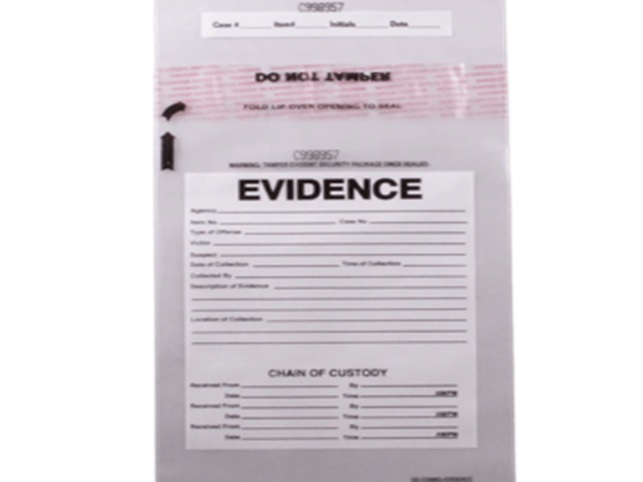
One of the most practical tools in maintaining the chain of custody is the use of evidence bags. These specially designed bags are tamper-evident, meaning they show visible signs if someone tries to open or alter them. By placing crime scene items into properly sealed evidence bags, law enforcement can reduce the risk of contamination, damage, or tampering. From biological samples to physical objects, these bags provide the secure storage needed for sensitive materials.

Why a Broken Chain of Custody Matters

A broken chain of custody can have serious consequences in criminal cases. If there is any gap in documentation or doubt about who had access to the evidence, the defense can argue that the material is compromised. This can lead to evidence being ruled inadmissible in court, weakening the prosecution’s case. In some instances, even strong evidence has failed to support justice simply because the chain of custody was not properly maintained.

Best Practices in Chain of Custody

To prevent errors and ensure reliability, law enforcement agencies follow strict protocols:

  1. Proper Documentation – Every transfer of evidence must be logged with names, dates, and reasons for the transfer.
  2. Tamper-Evident Seals – Using secure evidence bags with unique serial numbers helps prevent unauthorized access.
  3. Limited Access – Only authorized personnel should handle evidence, reducing the chances of a broken chain of custody.
  4. Secure Storage – Evidence should be stored in controlled environments to protect against loss or contamination.

Conclusion

The chain of custody is more than just a legal requirement—it is the foundation of trust in the justice system. By using proper evidence bags and adhering to strict handling protocols, law enforcement agencies can safeguard the integrity of their investigations. After all, even the most compelling evidence is only as strong as the chain of custody that protects it.

read more
Law

Maternal Bleeding During Labor and Delivery: Risks, Complications, and Legal Implications

Maternal hemorrhage during childbirth represents one of the most serious complications in obstetrics, accounting for approximately 25-30% of pregnancy-related deaths worldwide. While advances in modern medicine have significantly improved outcomes in developed countries, bleeding during labor and delivery remains a leading cause of maternal morbidity and mortality. When medical professionals fail to properly identify risk factors, monitor patients appropriately, or respond quickly to hemorrhaging, the consequences can be devastating for both mother and baby. Understanding the types of maternal bleeding, associated risks, and standards of care helps families recognize when negligence may have contributed to preventable harm.

Types of Maternal Hemorrhage

Maternal bleeding during pregnancy and delivery can occur at various stages, each presenting unique challenges and requiring specific interventions. Medical professionals must remain vigilant throughout the entire birthing process to identify and address bleeding complications before they become life-threatening.

Antepartum Hemorrhage

Antepartum hemorrhage refers to bleeding from the genital tract during the second half of pregnancy, typically defined as bleeding occurring between 20 weeks of gestation and the onset of labor. This type of bleeding often signals serious complications with the placenta that require immediate medical attention.

Placenta previa, a condition where the placenta implants low in the uterus and partially or completely covers the cervix, causes intermittent bleeding in the later months of pregnancy. As labor begins and the lower uterus stretches from contractions, the placenta separates from the uterine wall, resulting in potentially severe hemorrhage. Women diagnosed with placenta previa through prenatal ultrasounds require specialized delivery planning, typically including scheduled cesarean sections before labor begins to prevent catastrophic bleeding.

Placental abruption occurs when the placenta prematurely separates from the uterine wall before delivery. This separation can be partial or complete and ranges from minor to life-threatening. Risk factors include preeclampsia, advanced maternal age, trauma, cocaine use, and previous abruption. When abruption presents with acute blood loss and fetal distress, rapid diagnosis and immediate delivery become critical to saving both mother and baby. Medical professionals who fail to recognize signs of abruption, including abdominal pain, vaginal bleeding, uterine tenderness, and abnormal fetal heart rate patterns, may be held liable for resulting injuries.

Intrapartum Bleeding

Bleeding during active labor demands immediate assessment and intervention. While some blood loss during delivery is normal, excessive bleeding requires prompt action to prevent maternal shock and ensure fetal well-being.

Traumatic injuries during delivery constitute a common cause of intrapartum hemorrhage. Lacerations to the cervix, vagina, vulva, or perineum from the baby’s passage or from surgical interventions can result in significant blood loss. Episiotomies, surgical incisions to widen the vaginal opening, increase bleeding risk and should only be performed when medically necessary. Medical professionals must carefully examine the birth canal after every delivery to identify and repair lacerations promptly, as unrecognized tears can lead to continued bleeding and serious complications.

Uterine rupture represents one of the most dangerous causes of intrapartum bleeding. This catastrophic complication occurs when the uterine wall tears, often along the scar from a previous cesarean section. Blood vessels at the rupture site hemorrhage into the abdominal cavity or through the vagina. Uterine rupture most commonly affects women attempting vaginal birth after cesarean (VBAC), particularly when labor is induced or augmented with medications like Pitocin or misoprostol. Warning signs include sudden severe abdominal pain, abnormal fetal heart rate patterns, loss of fetal station, and maternal shock. Immediate cesarean delivery and potential hysterectomy may be necessary to save the mother’s life.

Postpartum Hemorrhage: The Most Common Maternal Bleeding Emergency

Postpartum hemorrhage (PPH), defined as blood loss exceeding 500ml after vaginal delivery or 1,000ml after cesarean section, affects up to 18% of deliveries and represents the most frequent cause of severe maternal morbidity in developed countries. While some risk factors can be identified in advance, approximately 20-40% of hemorrhages occur in women with no known risk factors, making preparedness at every delivery essential.

The Four T’s of Postpartum Hemorrhage

Medical professionals use the “four T’s” framework to identify PPH causes: Tone, Trauma, Tissue, and Thrombin.

Tone: Uterine atony, the failure of the uterus to contract effectively after delivery, causes approximately 75% of postpartum hemorrhages. After the placenta delivers, the uterus should contract firmly, compressing blood vessels at the placental attachment site to control bleeding. When the uterus remains soft and fails to contract (atonic), blood vessels continue bleeding unrestricted. Risk factors for uterine atony include prolonged labor (over 12-16 hours), overdistended uterus from multiple pregnancies or excess amniotic fluid, large babies (macrosomia), multiparity, and certain medications that relax the uterus.

Trauma: Lacerations, hematomas, and uterine rupture cause significant postpartum bleeding requiring identification and repair. Improper forceps or vacuum extractor use can create extensive tears requiring surgical repair.

Tissue: Retained placental fragments prevent proper uterine contraction and cause continued bleeding. Complete placental delivery must be confirmed after every birth. Placenta accreta, increta, and percreta, conditions where the placenta abnormally adheres to or invades the uterine wall, can cause life-threatening hemorrhage and may require hysterectomy.

Thrombin: Coagulation disorders, whether pre-existing or acquired, impair the body’s ability to form clots and stop bleeding. Conditions like HELLP syndrome, disseminated intravascular coagulation (DIC), and inherited bleeding disorders require specialized management.

Medical Standards of Care and Prevention

Proper medical management significantly reduces maternal bleeding complications and prevents many hemorrhage-related deaths. Healthcare providers have specific responsibilities throughout pregnancy and delivery to identify risk factors and respond appropriately to bleeding emergencies.

Prenatal Risk Assessment

Comprehensive prenatal care includes screening for hemorrhage risk factors: previous cesarean deliveries, placental abnormalities detected on ultrasound, blood clotting disorders, anemia, and conditions like preeclampsia. Women at high risk for hemorrhage should deliver at facilities equipped with immediate surgical capabilities, intensive care units, and blood bank services. Treating maternal anemia before delivery through iron supplementation improves outcomes if hemorrhage occurs.

Active Management of Third Stage Labor

The most effective hemorrhage prevention strategy involves active management of the third stage of labor (AMTSL). This protocol includes: administering oxytocin immediately after the baby’s anterior shoulder delivers, using controlled cord traction to deliver the placenta, and performing uterine massage after placental delivery. Studies consistently demonstrate that AMTSL reduces both postpartum hemorrhage rates and severe blood loss requiring transfusion.

Rapid Recognition and Response

When hemorrhage occurs despite preventive measures, rapid recognition and aggressive treatment save lives. Medical teams must accurately assess blood loss, visual estimation typically underestimates actual loss by 30-50%, and respond immediately with fluid resuscitation, uterotonic medications, and identification of the bleeding source. Delays in recognizing hemorrhage severity or providing appropriate interventions can result in shock, organ failure, and death.

Impact on Babies and Long-Term Consequences

Maternal hemorrhage doesn’t only threaten mothers, it can cause serious harm to babies as well. When mothers experience severe blood loss and shock, placental blood flow decreases, potentially depriving the baby of oxygen. This oxygen deprivation can lead to hypoxic-ischemic encephalopathy (HIE), brain damage, and conditions like cerebral palsy requiring lifelong specialized care. Emergency situations requiring rapid delivery to save the mother’s life may result in birth trauma, nerve damage, or other injuries to the baby.

Survivors of severe maternal hemorrhage often face long-term health consequences including chronic anemia, fatigue, postpartum depression, pituitary dysfunction affecting lactation, and post-traumatic stress disorder. These complications significantly impact the mother’s ability to care for her newborn and may require extended treatment and support.

When Medical Negligence Contributes to Bleeding Complications

Not all maternal bleeding cases involve medical malpractice, some hemorrhages occur despite excellent care. However, certain failures constitute negligence that may give rise to legal claims. Examples include failing to perform appropriate prenatal ultrasounds to diagnose placenta previa or accreta, ignoring risk factors and failing to deliver high-risk patients at appropriately equipped facilities, and using excessive force with delivery instruments causing severe lacerations.

Additional instances of potential negligence include failing to monitor blood loss accurately or recognize hemorrhage symptoms, delaying administration of appropriate medications or blood products, improperly managing the third stage of labor, failing to call for additional help or activate hemorrhage protocols when needed, and neglecting to perform timely surgical interventions when medical management fails.

When cerebral palsy lawyers investigate birth injury cases, maternal hemorrhage often emerges as a contributing factor. Babies who suffered oxygen deprivation during maternal bleeding crises may develop permanent neurological damage. Experienced legal teams can analyze medical records to determine whether healthcare providers met appropriate standards of care or whether delays and errors contributed to preventable harm.

Financial Impact and Legal Compensation

The consequences of maternal hemorrhage and resulting birth injuries create enormous financial burdens for families. When mothers suffer permanent injuries requiring ongoing treatment, or when babies develop conditions like cerebral palsy from oxygen deprivation during hemorrhage emergencies, lifetime care costs can exceed millions of dollars.

Birth injury settlements in cases involving maternal hemorrhage complications account for immediate and long-term medical expenses for both mother and child, lost wages and reduced earning capacity, pain and suffering, necessary home modifications and equipment, and lifelong care and support services. Understanding available compensation through birth injury settlements helps families secure resources needed for optimal treatment and support.

Taking Action After Preventable Harm

Families who suspect maternal bleeding complications were mismanaged should consult with experienced birth injury attorneys promptly. Medical malpractice cases involving hemorrhage require thorough investigation of prenatal records, labor and delivery documentation, and postnatal care to determine whether appropriate standards were met.

Legal claims must be filed within strict time limits called statutes of limitations, which vary by state. Waiting too long can permanently bar families from seeking compensation, regardless of how clear the negligence may be. Early consultation with legal professionals preserves families’ rights while evidence remains fresh and accessible.

When medical negligence contributes to maternal hemorrhage complications causing harm to mothers or babies, families have the right to hold healthcare providers accountable and secure compensation for preventable injuries. This accountability not only provides resources for individual families but also encourages improved hospital protocols and training that may prevent future tragedies.

read more
Law

Understanding Probation for Drunk Driving Offenders

Drunk driving is a serious offense that can lead to significant consequences, including criminal charges, fines, and loss of driving privileges. For those convicted of driving under the influence (DUI), probation may be an alternative or supplemental sentence. Understanding the ins and outs of probation for drunk driving offenders can help individuals navigate this challenging legal process. In this blog, we will discuss what probation means, how it works, and the potential impact on drunk driving offenders.

What is Probation?

Probation is a court-ordered period of supervision that allows an individual to remain in the community instead of serving time in jail or prison. Probationers must comply with certain terms set by the court, which may include attending alcohol education programs, submitting to regular alcohol testing, paying fines, and adhering to restrictions on driving. The goal of probation is to help offenders reintegrate into society while ensuring they do not repeat their offenses.

Probation for Drunk Driving Offenders

When a person is convicted of a DUI, the court may decide that probation is an appropriate sentence, particularly for first-time offenders or those who have shown remorse for their actions. Probation can serve as an opportunity for offenders to avoid jail time while proving they are committed to making positive changes in their behavior.

Types of Probation for DUI Offenders

There are two main types of probation for DUI offenders:

  1. Supervised Probation: This type of probation requires the offender to check in regularly with a probation officer who monitors their compliance with probation terms. The officer may also conduct random alcohol tests and ensure that the individual attends required treatment programs. Violating any of the conditions could result in a return to jail or additional penalties.
  2. Unsupervised Probation: In some cases, offenders may be granted unsupervised probation, which typically involves fewer check-ins with a probation officer. However, they are still required to comply with specific conditions, such as attending alcohol education classes and paying restitution.

Common Terms of Probation for DUI Offenders

While the terms of probation vary depending on the jurisdiction and severity of the offense, some common conditions of DUI probation include:

  • Alcohol Education Classes: Offenders may be required to attend court-approved programs aimed at educating them about the dangers of drunk driving and helping them understand the impact of their actions.
  • Random Alcohol Testing: Probationers may be required to undergo regular alcohol testing, either through breathalyzers, urine tests, or blood tests.
  • Community Service: Some DUI offenders may need to perform a certain number of community service hours as part of their probation.
  • Fines and Restitution: Offenders might have to pay fines and restitution to victims or for the cost of alcohol education and treatment programs.
  • Ignition Interlock Devices: In some cases, offenders may be ordered to install an ignition interlock device in their vehicles to ensure they are not driving under the influence.

The Benefits of Probation

For many DUI offenders, probation offers the opportunity to avoid jail time and continue their daily lives while working toward rehabilitation. Additionally, probation provides individuals with a chance to demonstrate their commitment to change, which can be beneficial for their future, both legally and personally.

Conclusion

If you or someone you know is facing probation for a DUI offense, it’s crucial to understand the conditions of the sentence and the potential consequences of non-compliance. Working with an experienced DUI defense attorney can help ensure that you fulfill all requirements and have the best chance at completing probation.

If you need legal guidance or representation for a DUI charge, don’t hesitate to reach out to Law Office of Eric H. Clayman, P.A.. Our team of experienced attorneys can provide the support you need to navigate the complexities of DUI probation. Contact us today for a consultation and take the first step toward securing your future.

This post was written by a professional at The Law Office of Eric H. Clayman, P.A. The Law Office of Eric H. Clayman, P.A., serves Ft. Lauderdale and Broward County, specializing in criminal defense, including DUI, drug crimes, and violent offenses. With a background as a former police officer, Eric H. Clayman brings invaluable insight into law enforcement procedures. His experience as a DUI investigator, narcotics investigator, and member of street crimes and auto theft units, along with executing high-risk felony warrants, gives him a strategic edge in defending his clients. Committed to protecting your rights and achieving the best results, the Law Office of Eric H. Clayman, P.A., dui lawyer Hollywood FL, is your trusted ally in the face of criminal charges.


read more
Law

Comparative Negligence in California: What Burbank Drivers Need to Know

Comparative Negligence in California: What Burbank Drivers Need to Know

Introduction

Car accidents in Burbank, CA can lead to devastating injuries, emotional trauma and financial hardship. Understanding your rights and responsibilities after a collision is essential to protecting yourself and your loved ones. This article covers the key issues surrounding comparative negligence in california: what burbank drivers need to know. While every crash is different, knowing the law and taking the right steps can help you avoid costly mistakes.

Determining Fault and Liability

One of the first questions accident victims ask is how fault is determined. In Burbank, CA, liability is often based on negligence – the failure to exercise reasonable care. Drivers owe a duty to obey traffic laws, remain alert and avoid risky behaviours. When these duties are breached, the responsible party can be held financially accountable. For example, California’s comparative negligence system apportions damages according to each party’s share of fault. In Nevada and Arizona, similar principles apply. Knowing these rules helps victims understand why it’s important to consult an experienced car accident attorney in Burbank, CA.

Documenting Evidence and Seeking Medical Care

After a collision, documenting evidence is crucial. Take photos of vehicle damage, road conditions and visible injuries. Collect contact information from witnesses and request a copy of the police report. Seek medical attention immediately, even if you feel fine – some injuries manifest hours or days later. Keep records of all treatments and costs. If the crash occurred in a tourist destination like Las Vegas or a densely populated area like Los Angeles, evidence may fade quickly as traffic resumes. An attorney can help preserve crucial evidence and handle communications with insurers while you focus on recovery.

Why Legal Representation Matters

Working with an attorney offers many benefits. Lawyers understand state and local laws, including statutes of limitations and unique regulations that apply to Burbank, CA. They negotiate with insurance companies on your behalf, calculate economic and non‑economic damages, and, if necessary, litigate your case to trial. At Avian Law Group, you can schedule a free consultation and pay nothing unless your case succeeds. This contingency arrangement allows accident victims access to quality representation without upfront costs.

Practical Steps After an Accident

To strengthen your claim, follow these practical steps:

  • Prioritise safety: Move vehicles out of traffic if possible and call emergency services immediately.
  • Gather information: Exchange contact and insurance details with other drivers and take photos of the scene.
  • Avoid admitting fault: Do not apologise or speculate about the cause of the accident. Let investigators determine fault based on the facts.
  • Seek legal guidance: Contact a qualified attorney to help you navigate the claims process and protect your rights.

Moving Forward

Car accidents are stressful, but you don’t have to handle the aftermath alone. By understanding local laws, collecting evidence and consulting a knowledgeable professional, you can pursue the compensation you deserve. Whether you’re dealing with complicated insurance negotiations or severe injuries, a dedicated attorney provides the support and expertise you need.

read more
Law

What Happens After Your Mesothelioma Diagnosis: The Compensation Timeline

Receiving a mesothelioma diagnosis brings immediate shock and uncertainty. Beyond processing the medical implications, patients and families quickly face pressing questions about treatment costs, lost income, and financial security. Understanding what steps to take and how quickly compensation can be accessed helps reduce anxiety during an already overwhelming time. The good news is that the legal process for securing mesothelioma compensation has become increasingly streamlined, with many families receiving their first payments within 90 days of filing claims.

The Critical First Steps After Diagnosis

The moment a doctor confirms a mesothelioma diagnosis, the clock starts ticking on multiple fronts. Medically, treatment decisions need to be made quickly, especially for earlier-stage disease where aggressive interventions offer the best outcomes. Legally, statutes of limitations begin counting down, typically allowing only one to three years from diagnosis to file compensation claims. These tight deadlines make immediate action essential.

Most families don’t realize that consulting with a mesothelioma lawyer should happen almost as quickly as scheduling medical treatments. Unlike general personal injury attorneys, mesothelioma specialists understand the unique complexities of asbestos litigation, maintain extensive databases of product information and exposure sites, and can immediately begin building a case while patients focus on their health.

During initial consultations, which reputable firms provide at no cost, attorneys gather crucial information about work history, military service, and potential asbestos exposure sites. They explain available compensation options, estimated timelines, and what documentation will be needed. This first conversation typically takes an hour or less but sets the foundation for everything that follows.

Your Compensation Options

Mesothelioma victims typically have access to multiple sources of compensation, and pursuing all available options maximizes total recovery. The three primary avenues include asbestos trust fund claims, lawsuits against solvent companies, and for veterans, Department of Veterans Affairs benefits. Each operates independently, meaning families can pursue multiple claims simultaneously without one affecting the others.

Asbestos trust funds represent the fastest path to compensation. More than 60 active trusts currently hold over $30 billion designated specifically for mesothelioma victims. These funds were established by bankrupt asbestos manufacturers as mandated by courts during reorganization proceedings. Because companies are already bankrupt and can’t be sued, trust fund claims avoid lengthy court proceedings. For detailed information about mesothelioma diagnosis and the conditions that qualify for compensation, specialized resources help families understand exactly what documentation supports their claims.

Lawsuits target manufacturers and distributors that haven’t filed bankruptcy and remain financially solvent. While these cases can take longer than trust fund claims, they often result in substantially higher compensation, with average settlements ranging from $1 million to $1.4 million and verdicts potentially reaching several million dollars or more. The litigation process involves investigation, filing, discovery, and typically settlement negotiations, though most cases resolve without trial.

Veterans exposed to asbestos during military service can pursue VA disability benefits alongside legal claims. The military used asbestos extensively from the 1930s through the 1980s, particularly in Navy ships, creating widespread exposure. VA benefits provide monthly tax-free payments and access to healthcare at VA facilities, complementing compensation from legal claims.

The Investigation and Documentation Phase

Once retained, attorneys immediately begin investigating exposure history. This investigation forms the cornerstone of successful compensation claims, as proving when, where, and how asbestos exposure occurred establishes which companies bear responsibility. Mesothelioma law firms maintain warehouses of evidence, decades of research, and sophisticated databases tracking which products contained asbestos, which companies manufactured them, and which job sites used specific products.

Attorneys conduct detailed interviews about the patient’s complete work history, including job duties, equipment used, products handled, and workplace conditions. They gather employment records, union documents, military service records, and any other documentation establishing presence at exposure sites. Medical records confirming diagnosis, staging information, treatment plans, and prognosis become part of the case file.

For families pursuing mesothelioma lawsuit settlements, this investigation phase typically takes several weeks to a few months. Attorneys may consult with industrial hygienists, former co-workers, and other experts who can testify about asbestos presence at specific locations. The thoroughness of this investigation directly impacts both the likelihood of success and the potential compensation amount.

Filing Claims and What to Expect

Once investigation concludes and evidence is compiled, attorneys file claims with relevant asbestos trust funds and file lawsuits against solvent companies. Each trust has specific criteria and procedures, but most follow similar patterns. Claims include detailed exposure history, medical diagnosis confirmation, and documentation linking the victim to the bankrupt company’s products.

Trust funds review claims to verify eligibility and assign values based on disease severity, exposure duration, age, and other factors. Each trust pays a percentage of the claim’s full value, ranging from as low as 1% to as high as 100%, with percentages set to ensure sufficient funds remain for future claimants. Because most mesothelioma victims were exposed to products from multiple companies, filing claims with numerous trusts is common.

Understanding the full scope of mesothelioma compensation options helps families set realistic expectations about timelines and amounts. The average total from multiple trust fund claims typically ranges from $300,000 to $400,000, with some families accessing $750,000 or more depending on their specific exposure history.

Lawsuits proceed through a more formal process involving filing complaints in appropriate jurisdictions, serving defendants, conducting discovery where both sides exchange information, and eventually negotiating settlements or proceeding to trial. Defendants and their insurance companies evaluate cases based on evidence strength, jurisdiction, jury attitudes, and trial schedules. Strong cases with experienced attorneys behind them often prompt settlement offers before trial.

The Settlement Negotiation Process

More than 99% of mesothelioma lawsuits resolve through settlement rather than trial. Once defendants receive evidence of their products’ role in causing the victim’s mesothelioma, settlement negotiations begin. Attorneys present demands supported by documentation of medical expenses, lost income, pain and suffering, reduced life expectancy, and other damages.

Negotiations may involve multiple rounds of offers and counteroffers. Experienced mesothelioma attorneys understand how to value cases appropriately, leverage jurisdiction advantages, and negotiate effectively with corporate defense teams. Firms like Baron and Budd, with decades of asbestos litigation experience and billions recovered, bring proven negotiation strategies and reputations that encourage defendants to settle reasonably.

Settlement negotiations consider numerous factors including disease stage, prognosis, age, occupation, number of defendants, and the financial resources of responsible companies. Cases involving younger victims, more severe disease, clear negligence, and multiple wealthy defendants typically command higher settlements. Geographic location matters too, as some jurisdictions have more favorable laws or jury attitudes toward plaintiffs.

The decision to accept or reject settlement offers always remains with the client. Attorneys explain the strengths and weaknesses of offers, discuss trial risks and potential rewards, and provide recommendations, but families make final decisions. Most settle because settlements provide certainty, avoid trial stress, and deliver compensation faster than verdicts that might face appeals.

Receiving Compensation

When settlements are reached, paperwork processing typically takes two to four weeks before checks are issued. For trust fund claims, payments often begin within 90 days of filing, though timelines vary by trust. Some trusts process claims in weeks while others take several months. Because families typically file with multiple trusts, payments often arrive in stages as each trust independently processes its claim.

The structure of mesothelioma lawsuit settlements typically involves lump sum payments rather than structured settlements, allowing families immediate access to funds for medical care, bills, and other needs. Veterans receiving VA benefits get monthly payments that continue for life, providing ongoing support beyond lump sum legal compensation.

Compensation is generally not taxable, as it replaces lost income and compensates for physical injury. However, any portion specifically designated for punitive damages or interest may be taxable, and families should consult tax professionals about their specific situations.

Special Considerations for Late-Stage Diagnosis

Tragically, many mesothelioma cases aren’t diagnosed until advanced stages when prognosis is poorest. For families facing late-stage disease, expedited legal processes become critical. Experienced mesothelioma attorneys can fast-track claims, prioritize settlement negotiations, and in some cases secure emergency funding advances to help with immediate financial needs.

If a patient passes away before case resolution, claims continue as wrongful death actions. Surviving spouses, children, and other family members can pursue compensation for funeral expenses, medical bills, lost financial support, and loss of companionship. The legal process doesn’t stop at death, and families shouldn’t assume they’ve lost the opportunity for justice and compensation.

Taking Action Now

Every day matters when facing mesothelioma. Statutes of limitations are unforgiving, once they expire, legal rights disappear permanently regardless of how strong a case might be. Medical needs require immediate attention and substantial financial resources. Families deserve answers about how this preventable cancer occurred and who should be held accountable.

Contacting a mesothelioma attorney costs nothing, creates no obligations, and provides crucial information about rights and options. The initial consultation begins the process of securing the financial support that makes comprehensive medical care possible, protects family stability, and holds negligent corporations accountable for decades of knowingly exposing workers to deadly asbestos fibers. Time is the enemy, but swift action opens doors to compensation that can transform a family’s ability to face this devastating disease with financial security and hope.


read more
Law

How Long Is a Judgment Good For? Understanding Time Limits and Renewals

Many creditors breathe a sigh of relief once they obtain a judgment from a court. But what happens if the debtor doesn’t pay right away—or even for years? Is there a deadline for enforcing your judgment?

The answer is yes. Judgments don’t last forever, but they can often be renewed. If you don’t understand the time limits and renewal rules in your state, you could lose your legal right to collect. In this article, we’ll explore how long a judgment lasts, how to extend it, and why acting before the clock runs out is so important.

Judgments Have a Shelf Life

Every state has a statute of limitations that governs how long a judgment remains enforceable. This period is typically counted from the date the judgment was entered by the court. Once it expires, the judgment becomes unenforceable unless it has been renewed or revived according to state law.

Common Judgment Lifespans by State:

  • California: 10 years (renewable)
  • New York: 20 years
  • Texas: 10 years (renewable)
  • Florida: 20 years, but liens based on a judgment last 10 years unless renewed
  • Illinois: 7 years (can be revived)

Always check your specific state’s laws—or consult an attorney—because procedures and timeframes vary widely.

What Happens When a Judgment Expires?

If you don’t renew or enforce a judgment within the allowed time:

  • You lose your legal right to use enforcement tools like garnishment, levies, or liens.

  • You can’t collect any more money—even if the debtor becomes financially solvent.
  • Any existing liens may become invalid or unenforceable.
  • Courts will generally refuse to assist with further collection actions.

This is why it’s so important to understand and track your enforcement deadlines.

How to Renew a Judgment

Fortunately, many states allow you to renew or extend a judgment before it expires. This process typically involves filing a request or affidavit with the court showing that the judgment remains unpaid.

Common Steps for Renewal:

  1. File a renewal request (also called a “renewal of judgment,” “affidavit of renewal,” or “motion to revive judgment”) before the expiration date.
  2. Serve notice to the debtor, depending on the jurisdiction.
  3. Receive court approval or confirmation of the renewal.

Once renewed, the judgment may be enforceable for another full term (often another 5–10 years). Some states allow unlimited renewals; others limit how many times a judgment can be renewed.

Example:

In California, a judgment is valid for 10 years. If you file a renewal before the 10-year mark, you get another 10 years to enforce it. You can continue renewing every 10 years as long as you do so before the previous one expires.

When Should You Renew?

Don’t wait until the last minute. Courts often recommend beginning the renewal process 6–12 months before expiration to allow time for:

  • Filing delays
  • Service of notice on the debtor
  • Potential objections or hearings

If you miss the renewal window, the judgment may lapse permanently, and you’ll be left with no further legal options.

Does Interest Continue to Accrue?

Yes. In most states, interest continues to accrue on unpaid judgments—even if no active collection is underway. The interest rate is set by state law and varies significantly.

For example:

  • California: 10% per year
  • Texas: Varies based on federal rate, capped at 18%
  • New York: 9% per year

That means the longer the judgment goes unpaid, the larger it grows. This can work in your favor—but only if the judgment remains enforceable.

Does Renewal Restart the Judgment from Zero?

No. Renewing a judgment doesn’t erase the original debt—it simply extends the enforceability period. The total amount due continues to include:

  • The original principal
  • Accrued interest
  • Court costs and any allowable attorney fees

In some states, a renewed judgment becomes a new judgment on the court record, while others simply extend the duration of the existing one.

What About Liens Based on a Judgment?

If you recorded a lien against the debtor’s real property, that lien may have its own expiration timeline, separate from the judgment itself. For example:

  • In Florida, a judgment lasts 20 years, but a lien created from it lasts 10 years.
  • In California, a judgment lien on real estate lasts 10 years, but must be re-recorded if you renew the judgment.

Failing to renew both the judgment and the lien can jeopardize your ability to collect from property sales or refinances.

Final Thoughts

Winning a judgment is a key step in collecting a debt—but it’s not the end of the story. Judgments expire, and if you don’t act in time, your legal right to enforce it may vanish.

Know your deadlines. Track expiration dates carefully. And take timely action to renew your judgment if it remains unpaid. Don’t let time run out on your ability to collect what you’re owed.

If you’re unsure about the status of a judgment or how to renew it, consulting with a judgment collection attorney can help ensure you don’t miss your opportunity for recovery. We recommend Judgement Collection Attorney.

read more
1 2 3 4 … 10
Page 2 of 10