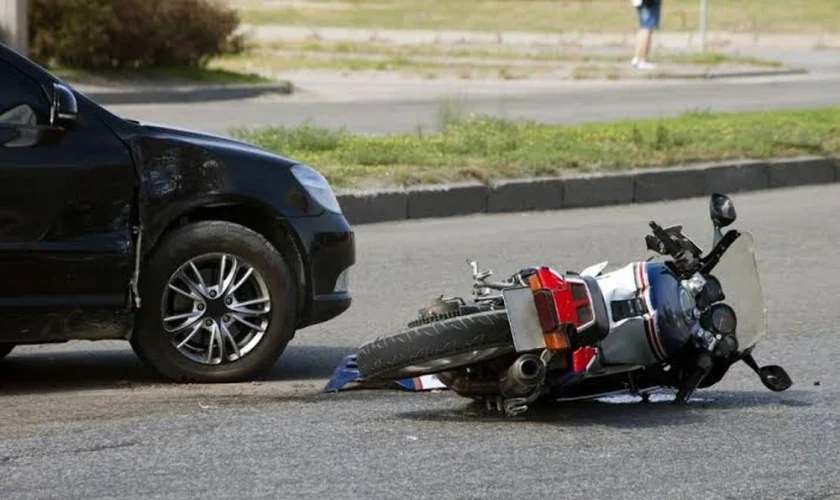


The stretch of the 405 that runs through Long Beach, from the 710 interchange east to the 605, carries heavy commuter and port traffic, and collisions there happen fast. What you do in the first hour after a crash, and in the weeks that follow, affects both your recovery and any claim you make. A Long Beach personal injury attorney sees the same avoidable mistakes after freeway crashes again and again. Below are seven steps to take after an accident on the 405, followed by five local law firms that handle car accident cases.
What should you do after a car accident on the 405 in Long Beach?
1. Should you move your car after a freeway accident?
If no one is hurt and the car still runs, yes. The California Highway Patrol advises drivers to pull onto the right shoulder or take the nearest exit so stopped cars don’t cause a second collision. If someone is injured or the car won’t move, stay buckled in with your hazard lights on. Walking in live freeway lanes is one of the riskiest things you can do after a crash.
2. Who do you call after a crash on the 405?
Call 911. Because the 405 is a state highway, collisions on it are handled by the CHP, not the Long Beach Police Department. Ask the officer for the report number before you leave the scene. The collision report is usually one of the first documents an insurer or attorney asks for.
3. What information are you required to exchange?
California Vehicle Code section 16025 requires drivers in a collision to exchange names, addresses, driver’s license numbers, vehicle registration and insurance details. Take a photo of the other driver’s license and insurance card instead of copying them by hand. Get contact information from witnesses too, since people who stop on a freeway rarely stay long.
4. What should you photograph at the scene?
Photograph every vehicle from several angles, along with close-ups of the damage, skid marks, debris and the lane you were in. A wide shot that captures an exit sign or mile marker helps pin down exactly where the crash happened. If you have a dashcam, save the footage right away, because many cameras record over older clips within hours.
5. How soon should you see a doctor after a car accident?
The same day if you can. Whiplash, a neck strain caused by a sudden back-and-forth movement, and concussions often don’t produce clear symptoms until a day or two later. A medical record dated close to the crash also ties your injuries to the collision, and a gap in treatment gives insurers room to argue that something else caused them.
6. What should you say to the other driver’s insurance company?
As little as possible until you understand your claim. You need to notify your own insurer, but you have no obligation to give the other driver’s insurer a recorded statement. California uses pure comparative fault, meaning any compensation is reduced by your share of the blame, so a casual remark like “I didn’t see them” can cost you. Also check your own policy for uninsured and underinsured motorist coverage. California’s minimum liability limits rose to $30,000 per person and $60,000 per accident in 2025, which may not cover a serious injury.
7. What deadlines apply after a California car accident?
Several deadlines start running on the day of the crash:
- Report the accident to the DMV on an SR-1 form within 10 days if anyone was injured or killed, or if property damage was over $1,000.
- File a personal injury lawsuit within two years, under Code of Civil Procedure section 335.1.
- File a government claim within six months if a public agency, such as one responsible for road conditions, may share the blame.
Which Long Beach law firms handle car accident cases?
These firms in and around Long Beach handle car accident claims:
- Pulido Legal, LC
- McGee Lerer Ogrin
- Belmont Accident Lawyers
- Law Office of Silvia E. Reynoso
- Law Offices of Justin R. Heim
1. Pulido Legal, LC: Long Beach Personal Injury Attorney
Pulido Legal, LC is a Long Beach firm led by Jose Pulido, Esq. The firm handles car and truck accident claims, including cases where a pregnant mother is injured, for clients in Long Beach and nearby cities along the 405 such as Lakewood, Signal Hill and Seal Beach. Jose Pulido is a veteran and works with active-duty service members and military families as well as civilians. The firm helps injured clients keep their medical records and paperwork organized and weigh settlement offers against the full cost of recovery, including follow-up care and lost work. It also handles family law and estate planning matters.
2. McGee Lerer Ogrin
McGee Lerer Ogrin is a personal injury firm with an office on Atlantic Avenue in north Long Beach.
3. Belmont Accident Lawyers
Belmont Accident Lawyers is an accident law office on Long Beach Boulevard.
4. Law Office of Silvia E. Reynoso
The Law Office of Silvia E. Reynoso is a personal injury practice based in Lakewood.
5. Law Offices of Justin R. Heim
The Law Offices of Justin R. Heim is an injury law office in Seal Beach.
When should you talk to a lawyer after a crash on the 405?
A freeway crash leaves little time to think, so the first steps are simple: get to safety, get the CHP report number, document everything and see a doctor quickly. After that, the insurance process and California’s filing deadlines take over. If you were hurt, talking with a Long Beach personal injury attorney before you accept a settlement can help you understand what your claim covers. Schedule a consultation while the details of the crash are still fresh.